

Belmont Lake State Park is a 463-acre day-use park in West Babylon, New York, where Carlls Creek and Belmont Lake divide the landscape. Its history reaches back to farmland owned by August Belmont, while the lake, wetland complex, trails, and recreation areas shape what you can see today.
- Location: West Babylon, New York
- Park setting: a spring-fed, 26-acre lake and a significant wetland complex
- Established in 1926; selected as a Long Island state parks regional headquarters in 1935
The Park's Place in Long Island History
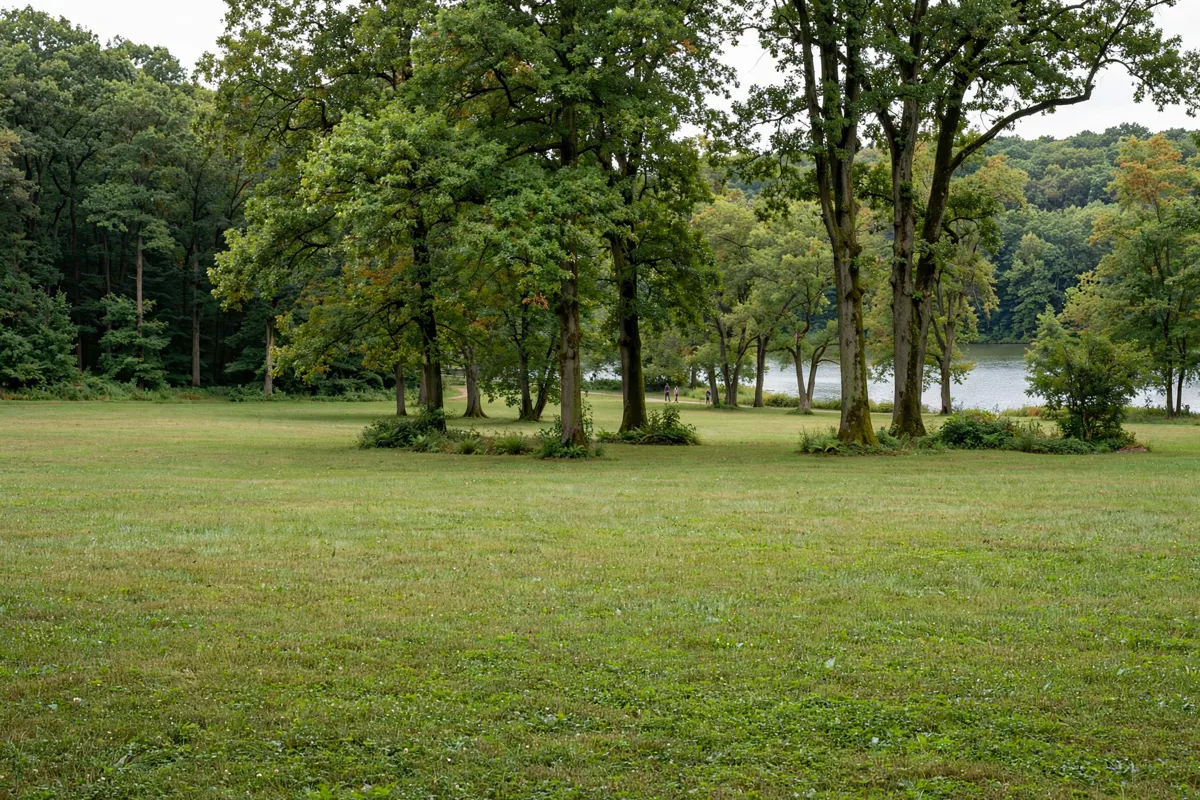
Belmont Lake State Park began on farmland owned by August Belmont and later became a regional center for Long Island state parks. The land had been used for some of Belmont’s equestrian activities before the park was established in 1926.
In 1935, Robert Moses selected the park as the regional headquarters for Long Island state parks. The site continues to serve that role, giving the landscape a place in the administration as well as the recreation of the state park system.
How the Lake Shapes the Park
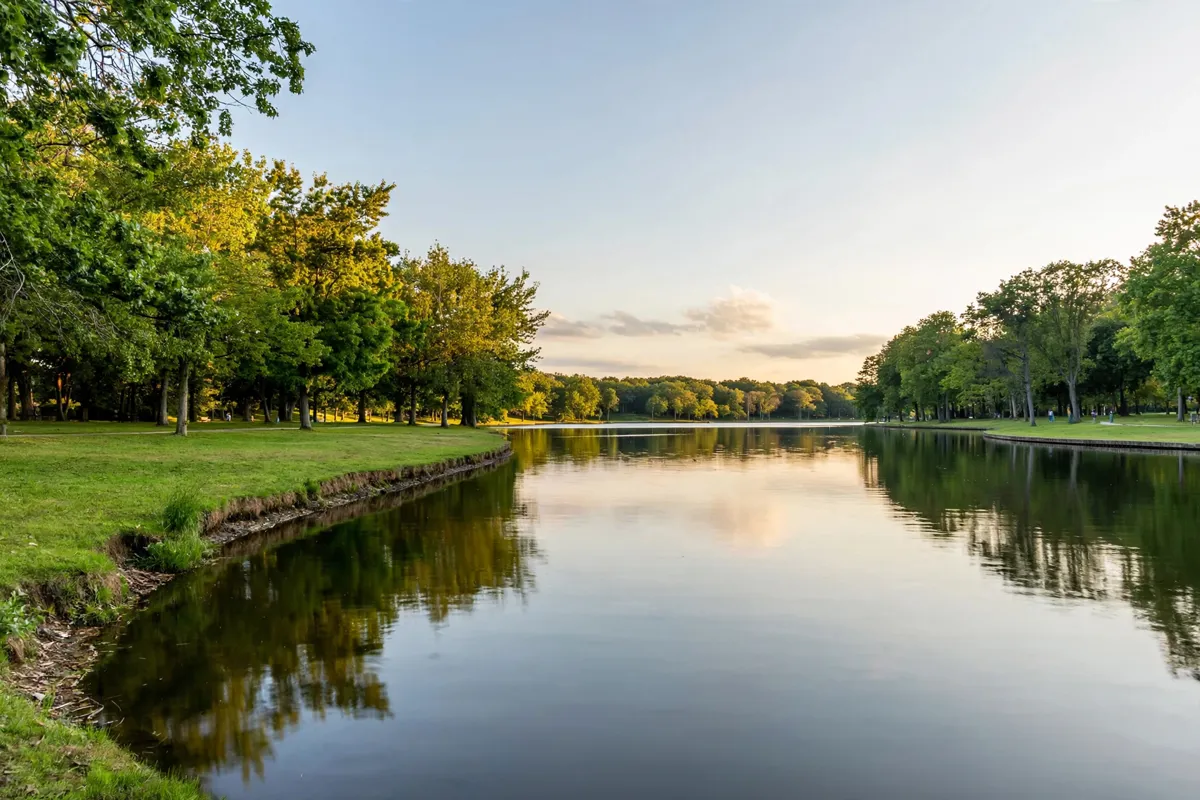
Belmont Lake and Carlls Creek form the park’s central natural features, with wetlands adding another distinct part of its landscape. Belmont Lake is spring-fed and 26 acres in size, and the park includes a significant wetland complex.
The water and surrounding habitat support different kinds of wildlife and seasonal fishing. Resident and migratory waterfowl include Osprey, Northern Shovelers, Mergansers, Teal, Great Blue Herons, and Egrets. Fishing includes trout in spring and bass in summer.
Historic Features and the Surrounding Landscape
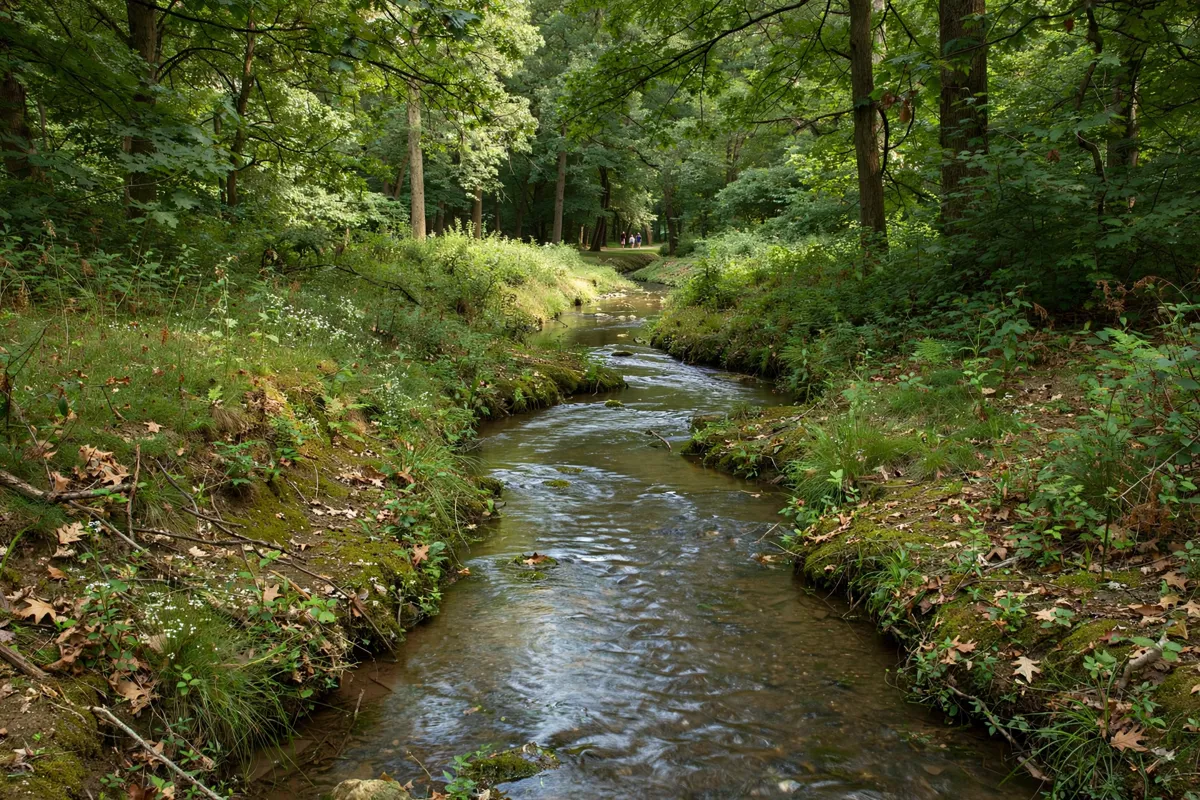
The park’s story is visible in the way working land became a public recreation landscape. Carlls Creek and Belmont Lake bisect the acreage, while the park’s regional headquarters role connects its setting to the development of Long Island’s state parks.
For a closer look at another historic place in the North Babylon area, Sagtikos Manor’s history and grounds offer a separate point of comparison.
What Visitors Can See Today
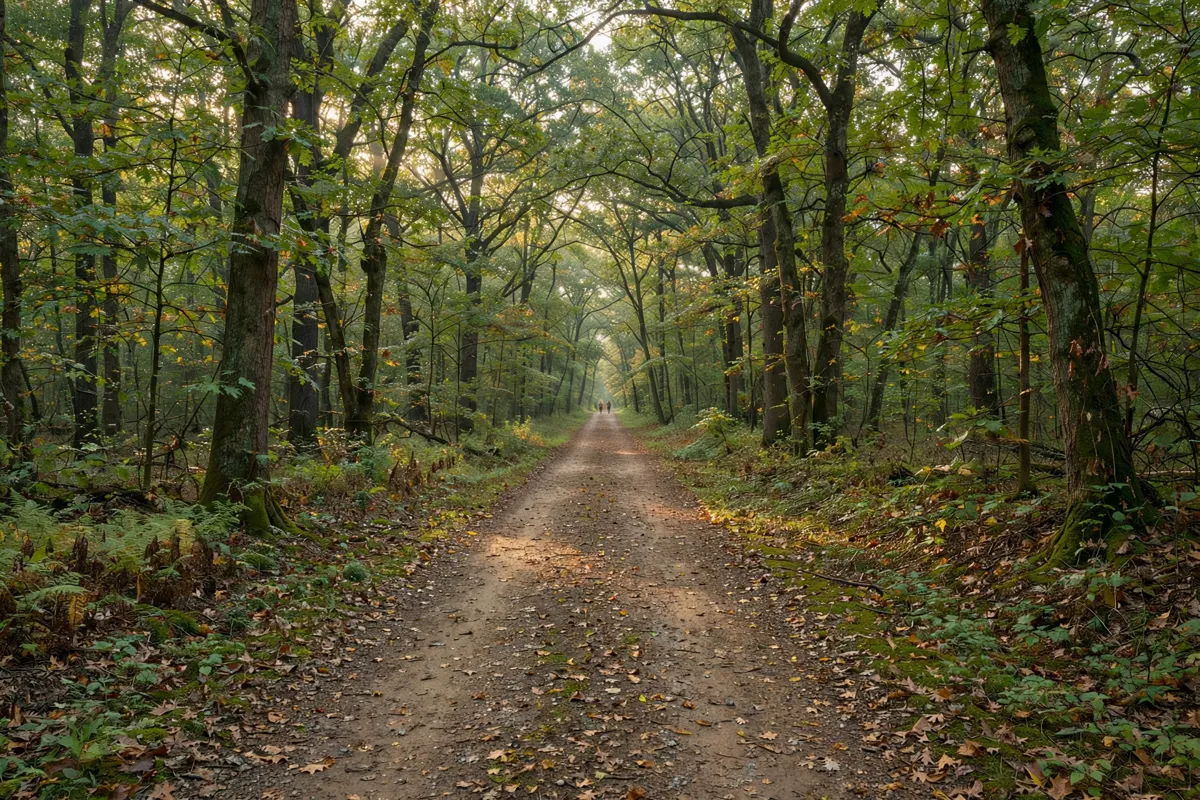
Belmont Lake State Park brings together trails, water, picnic spaces, and recreation facilities. Its multi-use trails are available for hiking, walking, biking, and nature observation; cross-country skiing is also possible when weather permits.
Picnic areas, four named pavilions—Birch, Maple, Oak, and Pine—ball fields, game courts, a play area, a boat-rental location, comfort stations, and park offices are part of the park. There are also two playgrounds for different age groups, along with basketball, baseball, bocce ball, and horseshoes.
For a practical overview of activities and access, Belmont Lake State Park activities and visitor details cover the park from that angle.
Planning a Visit to the Park
You can reach the park from Southern State Parkway Exit 38, with its address listed as North Babylon, NY 11703. The official brochure also gives routes via Deer Park Avenue from Babylon and Belmont Avenue from Sunrise Highway (Route 27).
From Relax Inn North Babylon, Belmont Lake State Park is about 13 minutes by car; rooms at the North Babylon inn provide a place to stay in the area.
New York State Parks provides a trail map on the park page and a downloadable brochure with a site map, which can help you orient yourself among the lake, trails, and recreation areas. You can launch hard-bottomed, non-motorized kayaks and canoes from the boat dock while it is open.
Before you go: Park hours and access details can change. Check the official site before you go.
FAQs
When was Belmont Lake State Park established?
The park was established in 1926 on land formerly owned by August Belmont.
What is the lake like?
Belmont Lake is spring-fed and covers 26 acres. It is one of the park’s defining natural features, alongside Carlls Creek and the wetland complex.
What wildlife can you see at the park?
The park is home to resident and migratory waterfowl, including Osprey, Great Blue Herons, and Egrets, among other named species.
Can you walk or bike in the park?
Yes. The park’s multi-use trails are available for walking and biking, as well as hiking and nature observation.